
Dating in rural Canada can be respectful and sustainable with practical attention to privacy, travel, and shared social circles. A smaller pool does not require settling or putting your personal life on display; it calls for clearer boundaries and realistic expectations. Consider which neighbouring communities you can reach regularly, meet people through activities you genuinely value, and remember that a date may also be connected to friends, colleagues, or family acquaintances.
Small dating pools often connect through overlapping social networks
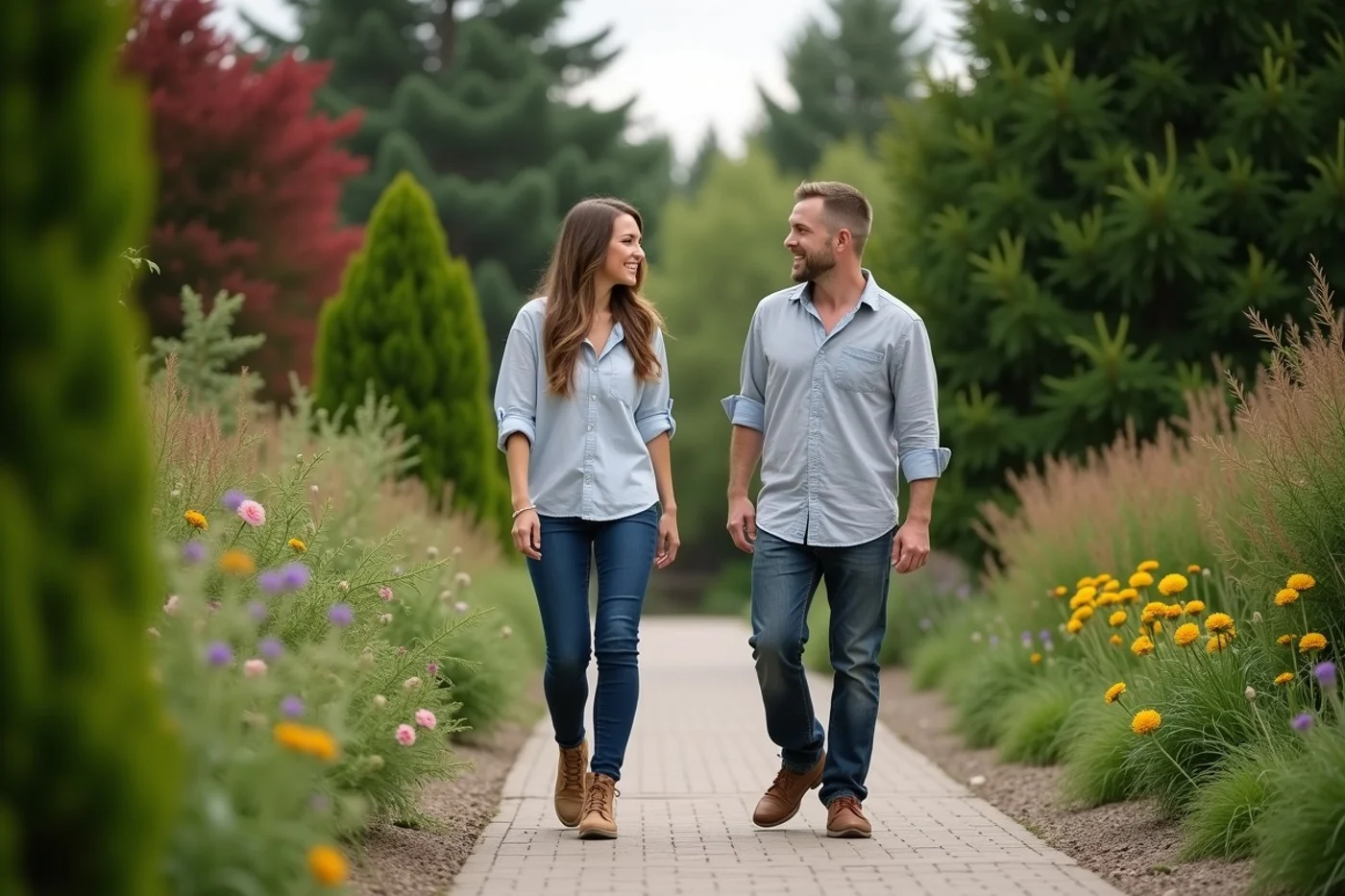
Dating in rural and small-town Canada often involves meeting people through overlapping social networks, not wholly separate circles. A cousin, coworker, former classmate, neighbour, or mutual friend may connect you to someone you would not otherwise encounter. That can make an introduction feel more grounded, but a first conversation may also carry more social context than it would in a large city.
An introduction may come with shared history: the person knows your mutual friend, has worked with someone in your family, or belongs to the same long-standing circle. Keep that connection in the background; it is not a recommendation or guarantee. Ask questions directly, notice how the conversation feels, and avoid assuming that the mutual contact knows either person’s current intentions.
Former partners can remain part of the same social landscape as well. You may encounter an ex at a gathering, hear about a previous relationship through a mutual acquaintance, or discover that a new match has dated someone you know. These overlaps do not automatically make dating inappropriate, but they call for patience and clear personal judgment. In a small community, an early connection may not develop, yet the two people could still encounter each other later through ordinary local life.
Privacy requires deliberate choices when community news travels quickly
In rural and small-town Canada, privacy is often a practical dating boundary, not a sign of secrecy. Decide together what can be shared, where you are comfortable being seen, and who should hear about the relationship first.
These choices matter especially when a social circle includes coworkers, relatives, former partners, and people connected to local organizations. Discuss them early, before a photograph, casual comment, or public sighting creates an unwanted story.
| Situation | Practical Choice | Why It Matters |
|---|---|---|
| Personal disclosure | Share only details both people have agreed are appropriate, such as relationship status, work information, or where either person lives. | A partner should not learn that private information was discussed through a mutual acquaintance. |
| Photographs and social media | Ask before posting a couple photograph, tagging a location, or identifying the other person in a caption. | A single post can reach overlapping community circles before the relationship feels established. |
| Choosing a public meeting place | Use a setting where both people feel comfortable being recognized, or choose a less connected area when discretion matters. | Privacy needs differ, particularly when one person works with or is related to many local residents. |
| Gossip or unsolicited questions | Answer briefly: “We are getting to know each other, and we are keeping it private for now.” | A consistent response avoids feeding speculation without requiring a public announcement. |
| Mutual contacts | Agree on when, how, and whether to tell friends, relatives, or shared community contacts. | A shared plan prevents one person from making the relationship public before the other is ready. |
Distance and transportation determine which matches are realistically sustainable
In rural and small-town Canada, distance is more than the number of kilometres between two homes. Consider the full trip: driving time, road conditions, vehicle access, work schedules, and how often each person can travel. A match that looks nearby on a map may still require a long evening or an overnight visit.
Discuss the practical arrangement before either person treats the connection as a regular relationship. Compare who can travel, how visits fit around work, and what happens when weather or vehicle problems disrupt a plan. Sustainable dating depends on a schedule both people can maintain, not on occasional ambitious journeys.
| Factor | Advantages | Limitations |
|---|---|---|
| Driving time | A manageable drive can support regular coffee dates, shared errands, or day visits without turning every meeting into a major project. | A 75-minute trip each way may become tiring when repeated after full workdays, especially if only one person does the driving. |
| Road and seasonal conditions | Flexible timing can allow visits during safer, more predictable travel windows. | Rural routes may involve changing conditions or limited alternatives, so a plan that depends on arriving at an exact hour can create unnecessary pressure. |
| Vehicle access | Two people with reliable vehicles can alternate travel and share the effort more evenly. | When one person lacks a vehicle, the relationship may depend on lifts, limited public transportation, or meeting only where access is practical. |
| Work schedules and visit frequency | A clear rhythm—such as alternating day visits or planning one longer visit each month—helps both people assess the connection realistically. | Irregular shifts, caregiving, or long commutes may leave too little energy for frequent travel, even when interest is mutual. |
Recurring community activities create lower-pressure opportunities to connect

“Choose a community activity because you genuinely value it, then let conversation develop naturally.” Volunteering with a food program, joining a recreation group, or helping with a local arts project creates repeated contact without turning every interaction into a dating audition.
In a rural or small-town Canadian community, useful settings might include a library discussion group, community theatre, conservation activity, professional association, or recurring local event. Shared work gives people something specific to discuss and offers a clearer sense of reliability than a brief introduction.
Introductions can also come through trusted friends or colleagues. Ask for a low-pressure group invitation without presenting someone as a guaranteed match. That keeps the activity welcoming for everyone, including people who are there only to participate.
Set an online dating radius that matches the effort you can actually maintain
In rural and small-town Canada, an app’s map radius can include several communities without creating a practical dating pool. Set the search area around the routine you can sustain, then explain that limit early. That keeps online interest from becoming an avoidable source of disappointment.
- 1. Define your workable limit before browsing. Decide the maximum travel time you could accept for an initial meeting and for occasional repeat dates, rather than choosing a large kilometre figure without context.
- 2. Check neighbouring communities deliberately. Include places connected by your ordinary work, family, or social routes, but leave out areas you would only reach for a rare special occasion.
- 3. State the constraint plainly in conversation or on your profile: “I’m open to meeting people nearby, but regular dates need to stay within my normal travel range.” This signals practical availability without sounding dismissive.
- 4. Ask about location before investing heavily in messages. Someone who appears close on an app may live outside your realistic area, while a person in a neighbouring community may fit your routine better.
- 5. Revisit the radius after genuine conversations. A promising connection can justify discussing occasional longer trips, but neither person should assume that interest automatically creates a sustainable schedule.
A considerate decline protects dignity when future encounters are likely
In a small Canadian community, a clear and private message is kinder than vague excuses that invite more contact. Try: “I enjoyed meeting you, but I don’t feel a romantic connection, so I won’t pursue another date. I hope we can be cordial if we see each other around.”
When you do not want ongoing messages, say so without hostility: “Thanks for the conversation. I’m going to leave things here and won’t continue dating or messaging. I’ll be respectful if our paths cross.” That acknowledges the shared community without promising friendship.
Afterward, keep interactions brief and civil at work, community activities, or through mutual acquaintances. Do not recruit others to explain the decision. A respectful decline can preserve ordinary social ease while allowing both people to move on.
Before widening your search, decide what a repeat visit would look like in ordinary life: the driving time, the available transport, and the weekends or evenings you can consistently protect. That answer gives you a useful radius and prevents an early connection from depending on effort neither person can sustain.