
Dating in Saskatoon can extend beyond apps through recurring recreation groups, volunteering, arts activities, professional communities, faith communities where relevant, and introductions through friends. These routes work best when you choose settings you genuinely enjoy and return often enough to recognize people. Saskatoon’s overlapping social networks, river crossings, winter conditions, and summer outdoor options also affect privacy, invitations, meeting points, and date length. A practical approach is to build familiarity first, then choose a convenient, season-appropriate plan.
Saskatoon Offers Several Offline Routes Beyond One-Time Social Events
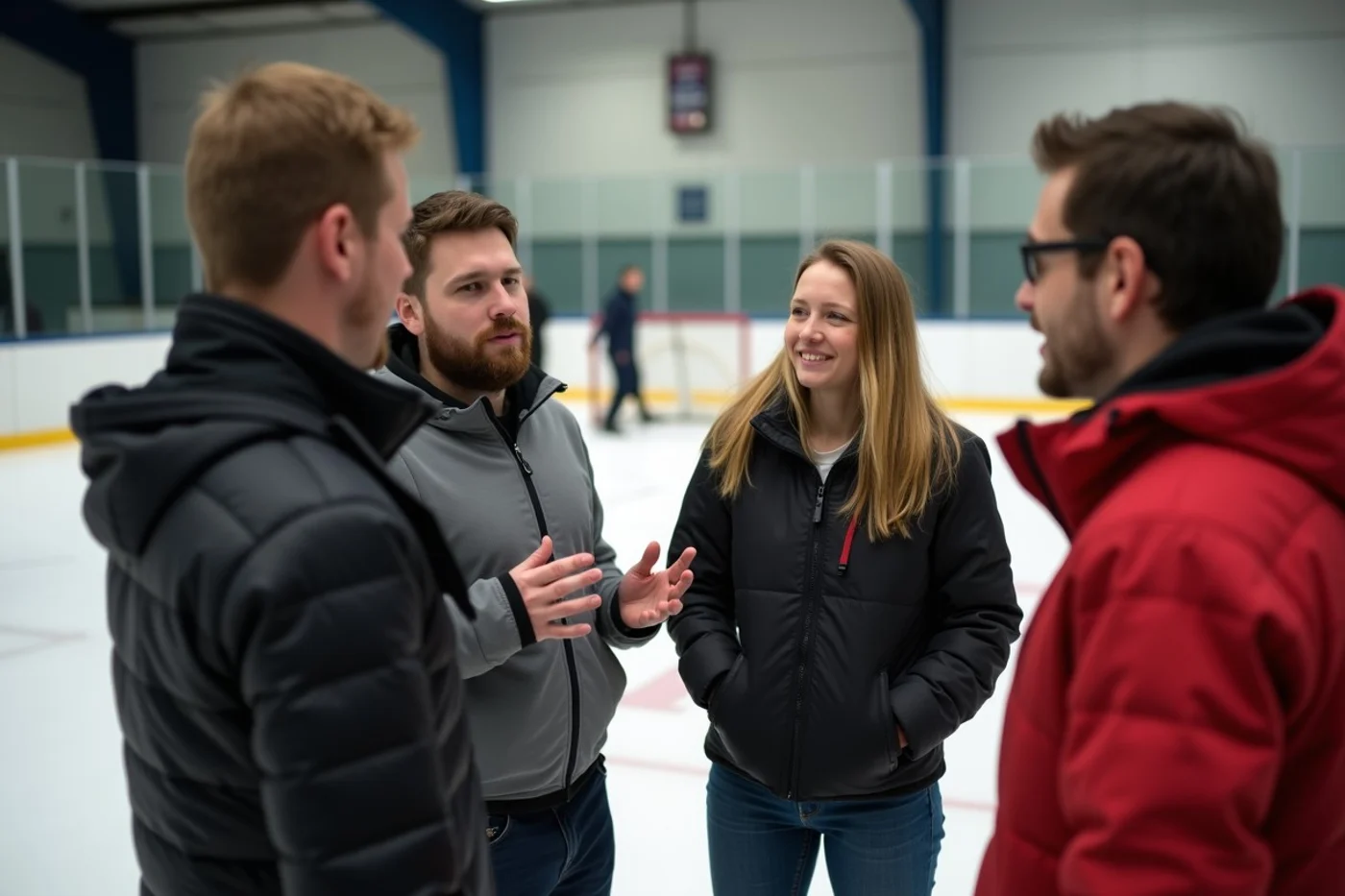
“In Saskatoon, offline dating routes can connect you with people through a shared purpose, not a one-time singles event. Consider recreational groups, volunteer organizations, arts or cultural groups, professional communities, and community or faith settings that match your interests and values.”
“Introductions can help as well. Tell trusted friends or colleagues the kind of connection you are open to, then let both people decide whether they want to talk or meet. A casual invitation to join a group activity can feel more natural than an immediate request for a date.”
“Use each route to broaden your social life; it does not promise romance. Respect consent, welcome different backgrounds, and allow conversations to develop without pressing for personal information.”
Familiarity Develops Through Activities That Meet Regularly
- Choose an activity you would still value without meeting a partner. A recurring language group, climbing session, community choir, volunteer shift, or professional discussion in Saskatoon gives conversations a natural subject and helps you notice whether the group suits your interests.
- Attend often enough for people to recognize you. Arriving at the same weekly or monthly activity creates low-pressure chances to continue an earlier conversation, learn names, and see how someone treats other participants over time.
- Let group conversation come first. Discuss the activity, ask open questions, and include several people rather than focusing immediately on one person. This keeps the setting comfortable and avoids turning a shared community into a search exercise.
- When interest appears mutual, suggest a simple next step outside the group. Asking whether someone would like to continue the conversation over coffee or attend a related activity together is clearer than relying on hints. Accept a declined invitation graciously, then keep future contact courteous and unforced.
Privacy Matters When Friends and Acquaintances Overlap
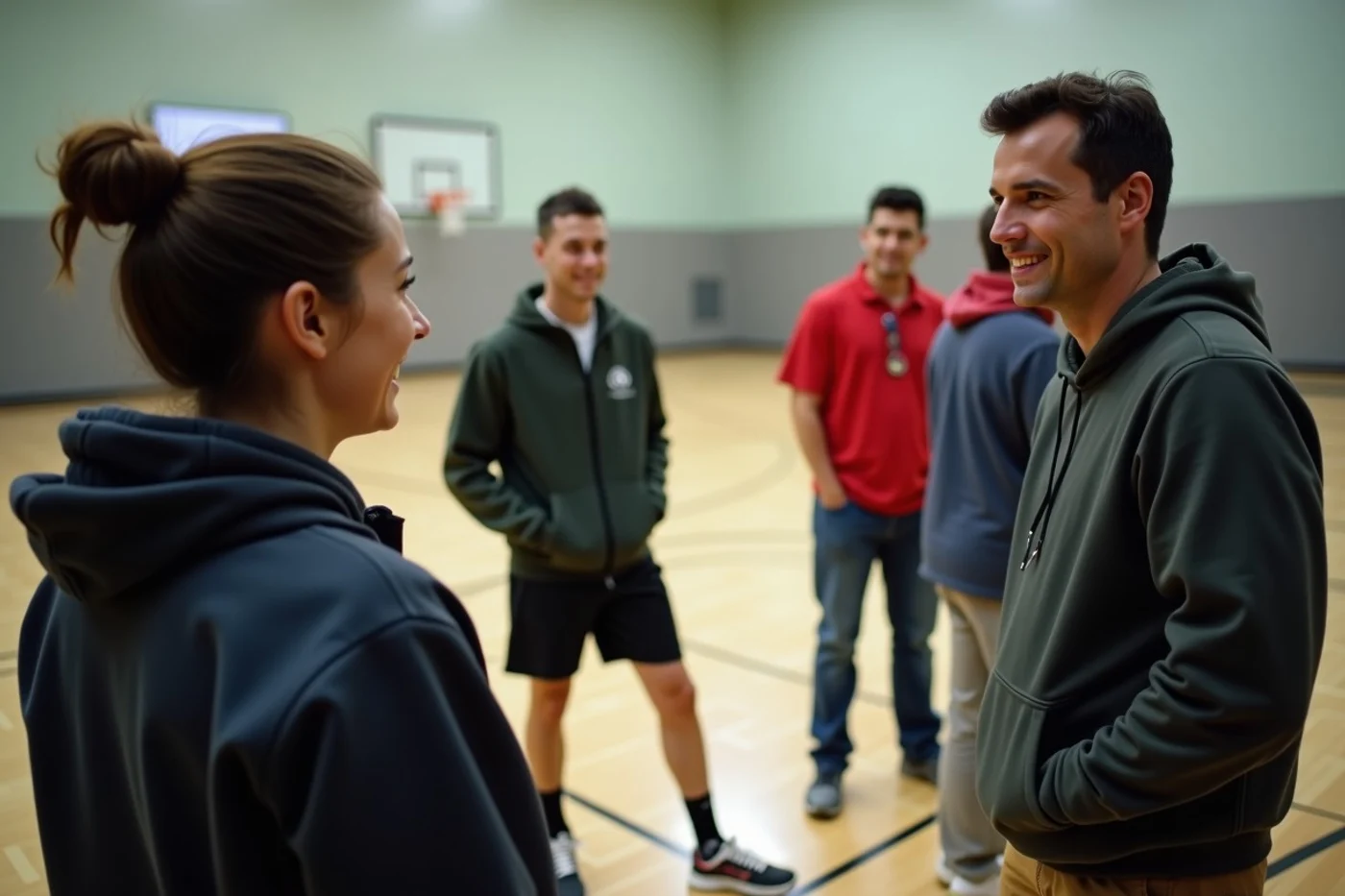
In Saskatoon, mutual contacts can connect social, professional, and community circles. Keep those connections private; they are not an informal reporting network. Share only what another person would reasonably expect you to disclose, especially before a relationship has taken shape.
Discretion also protects the wider social setting after a date does not continue. A short, neutral explanation is usually enough; avoid turning a disappointing interaction into a group story or asking friends to choose sides.
| Situation | Discreet Choice | Avoid | Practical Example |
|---|---|---|---|
| Before meeting someone | Tell a mutual contact only that you may meet and, if needed, where you will be for basic safety. | Forwarding private messages, photographs, or personal details without permission. | “I appreciate the introduction. I’ll decide for myself after we talk.” |
| When friends ask for updates | Give a broad answer that respects both people’s privacy. | Sharing a running account of messages, disagreements, or personal disclosures. | “We’re getting to know each other, so I’m keeping the details between us.” |
| After interest fades | Describe the outcome without assigning motives or inviting debate. | Using mutual contacts to investigate, relay criticism, or build a case against the other person. | “We met a few times, but it was not the right fit.” |
| When you meet again afterward | Offer a brief, civil greeting and follow the other person’s lead. | Ignoring them dramatically, making jokes about the connection, or recruiting friends to take sides. | A simple hello can preserve comfort at a shared gathering without reopening the relationship. |
A Convenient Meeting Point Reduces Friction Before the Date Begins
In Saskatoon, choose the meeting point with the route—not just the map— in mind. The South Saskatchewan River, bridge crossings, parking, transit connections, and winter accessibility can change how much effort a short meeting requires. Ask about preferred travel methods before settling on a location.
A fair arrangement does not always mean splitting the distance exactly. Consider who has a car, who depends on transit, whose schedule is tighter, and whether either person needs step-free access or a nearby drop-off point. Confirm the exact entrance or corner in advance so neither person has to search once they arrive.
| Option | Advantages | Considerations |
|---|---|---|
| A location on the same side of the river | Avoids an unnecessary bridge crossing and can suit a short first meeting or a tight schedule. | The other person may face a longer trip, so check whether the choice still represents balanced effort. |
| A central meeting area with several transport options | Useful when one person drives and the other uses transit; nearby alternatives can also help if the first plan changes. | Parking, walking distance, and accessibility may vary, so agree on a specific meeting point rather than naming only the area. |
| A point near one person’s home or workplace | Can reduce travel for someone finishing work, managing mobility needs, or unfamiliar with Saskatoon. | It may feel one-sided if used repeatedly; alternate who travels or choose a midpoint for later dates. |
| A destination outside the easiest route | Can suit a shared activity that both people have already chosen. | Extra crossings, transfers, or parking demands can overshadow the date. Check the route and access before committing. |
Use the Season to Shape the Length and Setting of the Date
Saskatoon’s seasons should influence the date format, not determine whether you meet. Choose a setting that protects conversation and comfort, then keep a backup plan that can be arranged without turning the outing into a major project.
For an early date, a shorter plan is often practical: about an hour for a coffee or walk, with the option to continue if the connection feels natural. Longer outings suit people who already know each other and can manage changing weather, energy, and comfort.
| Format | Example | Strengths | Limitations | Best for |
|---|---|---|---|---|
| Cold-weather indoor | Coffee followed by a gallery visit, shared meal, or another seated activity. | Warm, predictable, and suitable for conversation when outdoor conditions are unpleasant. | Admission or meal costs may apply; crowded or noisy settings can limit privacy. | First meetings, people sensitive to cold, and dates that need a reliable backup. |
| Cold-weather outdoor | A brief walk combined with a clearly identified indoor stop. | Adds movement without committing the entire date to winter exposure. | Wind, icy surfaces, and heavy clothing can shorten the outing; reassess comfort rather than pushing on. | People who already enjoy outdoor activity and have an indoor fallback. |
| Summer outdoor | A walk, picnic, or patio conversation with an indoor alternative nearby. | Flexible length and generally simple planning; outdoor settings can reduce the formality of a first date. | Heat, smoke, rain, insects, or limited shade can change the plan quickly. | Casual daytime dates and people who prefer activity over prolonged table conversation. |
Start with one recurring activity within a manageable trip from home, attend consistently, and invite someone only after a comfortable conversation. For a first date, choose a public meeting point with a simple indoor backup in winter or a clear weather plan in summer. Keep mutual contacts out of private details, especially when social circles overlap.