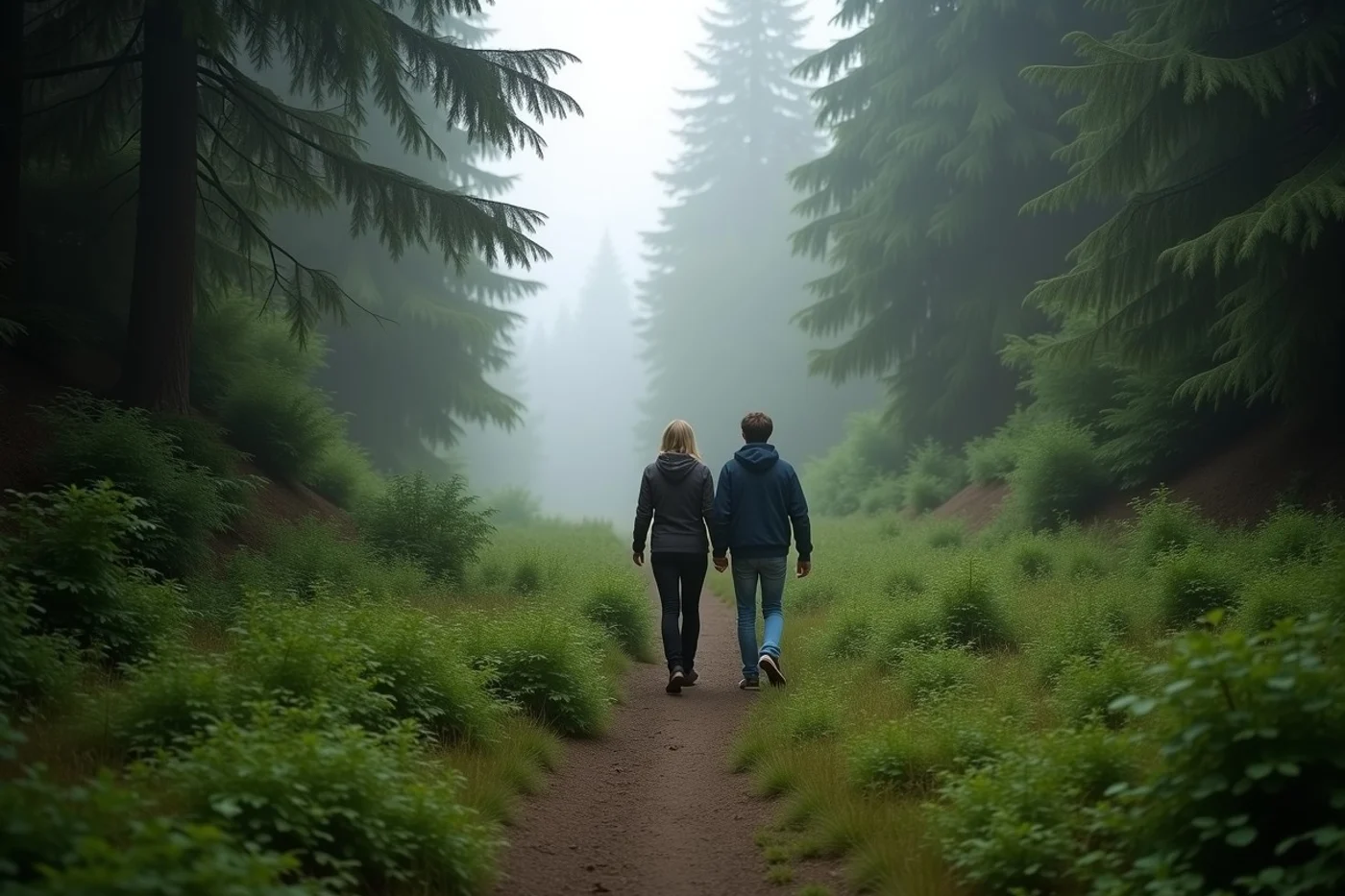
To meet singles in Vancouver, join recurring outdoor or recreation groups, take a class, volunteer, attend a public cultural program, or spend time in neighbourhood settings where conversation can develop naturally. Community centres, Vancouver Public Library programs, Stanley Park activities, and casual gatherings around Granville Island can offer low-pressure starting points. The strongest connections usually come from returning to places that fit your interests, then approaching people with curiosity rather than treating every interaction as a romantic opportunity.
Vancouver’s social opportunities often grow from shared activities and repeated contact

After meeting someone in person, a short acknowledgment can preserve the connection without turning a shared activity into a pressured romantic exchange. The useful signal is whether both people continue contributing to the interaction and show interest in meeting again.
| Setting | Vancouver Example | Why It Can Help |
|---|---|---|
| Recreation and outdoor communities | Vancouver Community Centres and public activities around Stanley Park | A recurring activity provides an easy topic of conversation and a chance to recognize familiar participants over time. |
| Learning and cultural gatherings | Vancouver Public Library programs or visitor-oriented activities at Granville Island | A class, talk, workshop, or arts setting gives newcomers a defined social context without requiring an immediate personal introduction. |
| Neighbourhood events and informal social life | Commercial Drive, Mount Pleasant, or Kitsilano | Local cafés, community activities, and outdoor plans can connect people who already spend time in the same part of the city. |
| Friends and volunteer circles | An introduction through an existing group or a shared community cause | A mutual connection can provide context, while volunteering lets people observe reliability and consideration through action. |
Different Vancouver activities create different levels of conversational access
The setting affects how naturally conversation develops. In Vancouver, choose an activity based on the amount of shared time, the social pressure, and how easily a newcomer can participate without already knowing the group.
Community Centres and Vancouver Public Library programs can offer structured entry points, while places such as Granville Island or Commercial Drive suit more informal social plans. Check the current format and participation details before attending.
| Activity | Conversation Access | Social Expectation | Cost And Access | Newcomer Fit |
|---|---|---|---|---|
| Structured classes | Several planned sessions create repeated opportunities to recognize people and talk between activities. | Conversation is expected to stay connected to the class; romantic interest should develop gradually. | Often requires registration or a participation fee, so confirm the commitment before joining. | Strong choice for someone who prefers a clear format and does not yet have a local network. |
| Group recreation | Shared movement provides easy topics, but focused activities may leave little time to talk. | Follow the group’s pace and safety norms rather than interrupting someone mid-activity. | May range from free public meetups to organized activities with equipment or registration needs. | Useful for meeting people through a regular interest, including activities connected with Vancouver’s parks and recreation network. |
| Volunteer work | Cooperation creates natural conversation before, during, and after a task. | Contribute sincerely; treating the shift as a dating event can feel intrusive. | Usually avoids a participation fee but requires dependable time and effort. | Works well for newcomers who want community involvement alongside social contact. |
| Cultural events | Exhibits, talks, and public programs provide specific subjects to discuss. | Brief exchanges are normal, and people may attend mainly for the program. | Options vary from public gatherings to ticketed events. | Vancouver Public Library programs and activities around Granville Island can suit people seeking low-pressure cultural settings. |
| Casual gatherings | Cafés, neighbourhood events, and shared friend networks allow flexible conversation but less predictable contact. | Read whether someone is available to talk; do not corner people who are occupied or alone by choice. | Usually flexible, with spending determined by the venue or activity. | Commercial Drive and Mount Pleasant can provide informal contexts, especially when approached through an existing event or mutual connection. |
A considerate introduction begins with the activity instead of an immediate romantic pitch

In Vancouver, an opening tied to the shared setting feels more natural than a direct request for a date. At a walking group, ask, “Have you joined this group before?” At a library program or community class, comment on the subject and invite the other person’s view. Keep the first exchange brief enough for them to return to the activity comfortably.
Pay attention to participation from both sides. Curiosity, relaxed eye contact, follow-up questions, and an unhurried conversation suggest room to continue; short replies, turning away, or repeatedly returning attention to the activity suggest an exit is welcome. Interest is not an entitlement to contact information.
| Label | Advantages | Considerations |
|---|---|---|
| Start with the shared activity | Creates a relevant, low-pressure opening and gives both people an easy subject. | A personal or romantic question too early can feel intrusive, especially in a group setting. |
| Check for reciprocal engagement | Questions and volunteered details show that the conversation is mutual. | Politeness alone does not confirm romantic interest; avoid treating friendliness as consent. |
| Offer contact information lightly | “I’ve enjoyed talking with you—would you like to exchange numbers?” is clear and gives the other person a choice. | Do not press for an explanation if they decline, hesitate, or prefer to keep the connection within the activity. |
| Leave smoothly when interest is unclear | “Nice meeting you. I’m going to rejoin the group” protects comfort without embarrassment. | Continuing to follow, corner, or repeatedly restart the conversation can turn an ordinary introduction into pressure. |
Weather, distance, and transit should shape the first invitation
A first Vancouver date should be simple to reach and easy to adjust. Before suggesting a place, compare travel time from both areas, available transit, daylight, and whether rain or other conditions could disrupt the plan.
Choose one primary option and one nearby indoor alternative. Confirm the plan on the day, especially for an outdoor setting, and avoid asking someone to cross the city for a brief first meeting unless the travel is genuinely convenient for both people.
| Option | Advantages | Limitations |
|---|---|---|
| Stanley Park walk | Works for a daytime meeting with room to move and talk; nearby indoor plans can be considered if conditions change. | Rain, wind, heat, limited daylight, or a long trip across Vancouver can make the plan uncomfortable. |
| Granville Island outing | Combines a public destination with places to browse and pause, so the date can remain flexible. | Agree on a clear meeting point and check how each person will get there rather than assuming the same route. |
| Vancouver community centre activity | A scheduled indoor setting reduces weather risk and gives the meeting a defined start and finish. | The activity may leave little time for conversation, so suggest a nearby coffee or walk only if both people seem comfortable. |
| Vancouver Public Library event or visit | Provides a calm, public indoor option when outdoor plans are unreliable. | Keep the invitation specific and considerate of the event’s purpose; a quiet public setting may not suit extended conversation. |
A simple follow-up keeps a promising Vancouver connection from disappearing
- 1. Send a short message later that day or the next day, while the shared interaction is still fresh. A prompt note feels attentive without creating pressure or demanding an immediate reply.
- 2. Mention one specific detail from the conversation rather than sending a vague greeting. You might refer to the discussion after a Vancouver Public Library event, a group activity, or a conversation during a neighbourhood gathering.
- 3. Suggest one clear next step that suits what you already discussed. For example: “I enjoyed talking with you about local art. Would you like to visit a gallery together next weekend?” Keep the invitation easy to understand and simple to decline.
- 4. Leave room for the other person to answer in their own time. Avoid sending several follow-up messages, asking why they have not replied, or treating a polite response as an agreement to meet.
- 5. Read the response at face value. Enthusiasm, a question, or an alternative suggestion supports continuing the exchange; a refusal, silence, or repeated vagueness calls for a courteous close. “Thanks for letting me know—take care” is enough.
Choose one recurring activity and one low-pressure public setting that fit your schedule, then give each enough time for familiar faces to become part of your social circle. When a conversation feels mutual, suggest a practical follow-up nearby and accept the answer without trying to persuade someone.
Sources & verification
- Vancouver Public Library — official information — Vancouver Public Library · Accessed 2026-08-08
- vancouver.ca — source · Accessed 2026-08-08
- vancouver.ca — source · Accessed 2026-08-08
- granvilleisland.com — source · Accessed 2026-08-08
- vancouver.ca — source · Accessed 2026-08-08
- vpl.ca — source · Accessed 2026-08-08