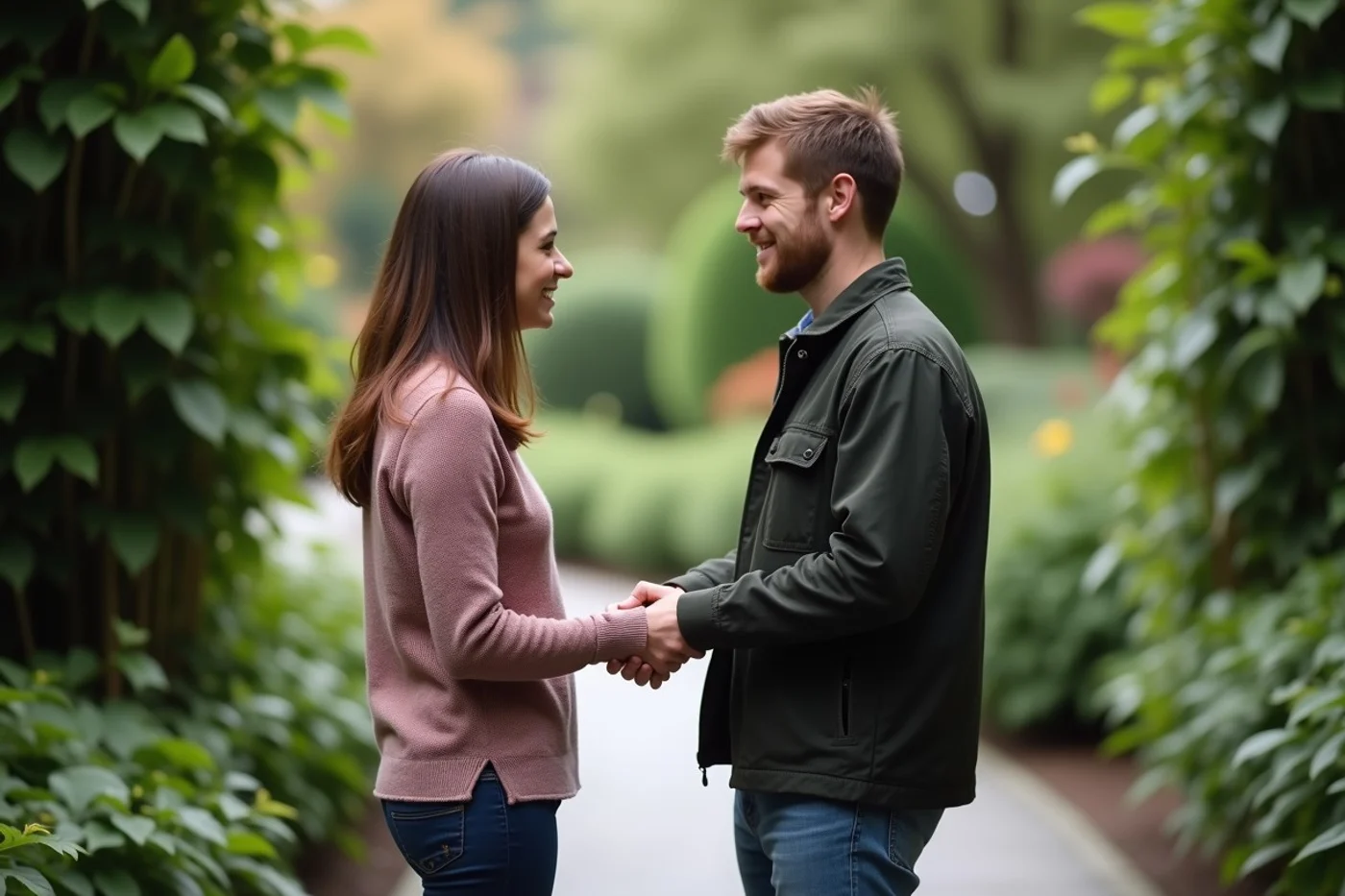
Online dating in Vancouver works best when your profile and plans reflect real local constraints: where you live, how you spend free time, and how far you can reasonably travel for a repeat date. Mention relevant routines without turning your profile into a lifestyle advertisement, ask about availability early, and choose a public meeting place that suits both schedules. Vancouver neighbourhoods, TransLink connections, weather, and places such as Granville Island or Stanley Park can all affect whether a promising match becomes a practical connection.
Geography changes what a promising Vancouver match can realistically become

Online dating in Vancouver is partly a geography decision. Set your search area around trips you could repeat after work or on an ordinary weekend, not simply the largest radius an app permits. A match in Downtown Vancouver may be practical for someone based in Mount Pleasant, while the same distance can feel less workable when it requires crossing a bridge or connecting between separate transit corridors.
Neighbourhood boundaries also shape routine. Someone in Kitsilano and someone near Commercial Drive may both live in Vancouver, yet their preferred routes, work commutes, and available evenings can differ. Check the likely journey through TransLink before treating a promising match as an easy recurring connection; its trip-planning information can help you assess the route rather than rely on a map’s straight-line distance.
Distance matters most after the first enjoyable meeting. A longer trip may be reasonable for an occasional date, but repeated plans need room in both people’s schedules. Consider whether each person can share the travel burden, whether the route remains manageable in poor weather, and whether meeting frequency would depend on unusually flexible work hours. A realistic Vancouver dating radius protects promising connections from becoming impractical commitments.
Profiles gain useful context from the activities people actually make time for
A useful Vancouver profile shows how you spend ordinary free time, not just an idealized version of it. Name the activities you genuinely repeat: walking around Stanley Park, browsing Granville Island, cycling, cooking, attending local events, or meeting friends in Mount Pleasant. Specific details give a potential match something real to respond to without suggesting that outdoor enthusiasm is a requirement.
Work patterns also deserve plain language. Mention whether weekdays are usually full, whether weekends are more flexible, or whether your schedule changes regularly. Someone who writes “I usually have one open evening during the week and prefer relaxed weekend plans” communicates availability without turning the profile into a timetable. Keep the wording accurate rather than presenting constant travel, fitness, or social activity as a lifestyle standard.
Community ties can signal what connection looks like in practice. A profile might mention volunteering, a neighbourhood group, family dinners, or a regular visit to Commercial Drive. Pair one or two interests with the routine behind them: “I enjoy long walks, but most weekends also include a quiet morning at home.” That balance helps readers understand your pace and leaves room for people whose Vancouver routines look different.
A short exchange can reveal whether schedules and expectations align

Online dating in Vancouver works better when messages establish mutual interest and basic logistics before the conversation becomes lengthy. Reply to something specific, add a detail of your own, and ask one question that invites more than a yes-or-no answer.
Location and availability can be raised without turning the exchange into an interview. Mention the part of Metro Vancouver where you usually spend time, ask about a workable day, and leave room for an honest answer.
| Stage | Approach |
|---|---|
| Opening message | Refer to one specific detail, then share a related preference or experience. Example: “You mentioned weekend markets—what do you usually look for when you go?” |
| Reciprocal interest | Answer their question before asking another. This keeps the exchange balanced instead of making one person carry the conversation. |
| Availability check | After a few engaged replies, ask about general timing: “Are weekday evenings or weekends usually better for you?” Avoid pressing for a full schedule. |
| Location check | Confirm the general area before making plans: “I’m usually near Mount Pleasant; which part of Vancouver do you tend to be around?” |
| Reply expectations | A delayed response does not need an immediate interpretation. If interest remains clear, suggest one simple next step; repeated vague replies are useful information about compatibility. |
The best first-meet plan minimizes friction for both Vancouver schedules
For a first meeting in Vancouver, choose the plan that reduces travel uncertainty without making either person carry all the logistics. Confirm the exact meeting point, start time, expected duration, weather plan, and an easy way to leave before agreeing to the date.
A public place such as Granville Island or a café near Downtown Vancouver can work when both people can reach it reasonably. Stanley Park may suit a daytime walk, but an indoor backup matters in wet weather. Use TransLink information to check the route, and ask about stairs, walking distance, seating, or other accessibility needs rather than assuming.
| Option | Advantages | Limitations |
|---|---|---|
| Near transit | A clear point near a useful connection can reduce driving and transfer complications. It also gives either person a straightforward departure if the meeting is brief. | Service delays, crowded areas, or rain can create stress. Confirm a specific entrance or landmark instead of naming only the neighbourhood. |
| Near work or a regular routine | Meeting near Downtown Vancouver, Kitsilano, or Mount Pleasant may fit a weekday schedule and keep the first date contained. | One person may be doing most of the travelling, while work fatigue or a tight evening can limit the time available. |
| A shared activity with a fallback | A short walk at Stanley Park or a visit to Granville Island gives conversation a natural setting and avoids relying on nonstop questions. | Outdoor plans depend on weather and comfort. Choose an indoor alternative, set a time limit, and check accessibility before confirming. |
Local app use improves when each match gets a deliberate review
- Distance: Does the match’s actual location fit the time you can regularly spend together? A connection between Downtown Vancouver and Kitsilano may be workable; a much longer trip deserves an honest conversation about frequency.
- Profile consistency: Do the photos, bio, stated interests, and later answers broadly agree? Small differences are normal, but repeated contradictions or evasive answers call for caution before meeting.
- Conversation effort: Over several exchanges, is curiosity reasonably mutual? Notice whether the person responds to what you wrote, respects your boundaries, and contributes enough to keep the exchange balanced.
- Proposed logistics: When a meeting is discussed, does each person help clarify timing, location, and changes? Someone who repeatedly avoids basic details or shifts all planning onto you may not be a practical match.
- Second-meeting decision: After meeting, compare the experience with the profile and conversation. Consider comfort, respectful conduct, genuine interest, and whether you would choose another conversation—not whether the date looked impressive or produced instant certainty.
Questions about online dating in Vancouver Canada
How can I combine dating apps with Vancouver’s local communities?
Use apps and recurring community settings for different purposes. A class, volunteer activity, hobby group, or neighbourhood gathering can show how someone interacts over time, while an app helps you state romantic interest more clearly. Choose activities you would attend anyway, including options near Mount Pleasant or Commercial Drive, rather than treating every social setting as a dating opportunity. Respect people’s boundaries and let familiarity develop without pressure.
What should I clarify when a Vancouver match may be visiting from the United States?
Ask early whether the person lives in Vancouver, visits regularly, or is only passing through. Clarify the practical shape of the connection before moving into daily contact: where each person is based, how often visits might be possible, and whether either person expects the relationship to remain local. That prevents a local app match from becoming a cross-border arrangement through assumption alone.
What privacy and safety steps are sensible before meeting a Vancouver app match?
Keep early communication on the dating platform until you are comfortable sharing more. Do not provide your home address, exact workplace, or regular routine before trust develops. Tell a friend where you are going, arrange your own way home, and choose a public setting. Places such as Granville Island or a busy area near Downtown Vancouver can offer a recognizable meeting point without revealing where either person lives.
How should I handle a first meeting when Vancouver weather changes the plan?
Agree on a backup before leaving home. A short outdoor meeting near Stanley Park may work in dry conditions, but a nearby indoor option is more practical when rain or wind arrives. Confirm the meeting point, the latest reasonable arrival time, and how either person can leave independently. Checking the relevant TransLink route before the date also helps avoid turning a weather problem into a scheduling dispute.
Before sending a first message, check the match’s area, note one specific profile detail, and suggest a short plan near a convenient transit connection. Confirm timing, weather, accessibility, and an easy way home before meeting. This review helps you judge whether the connection fits both your interest and your ability to meet again.
Sources & verification
- Granville Island official website — Granville Island · Accessed 2026-08-08
- Stanley Park — City of Vancouver · Accessed 2026-08-08
- TransLink official website — TransLink · Accessed 2026-08-08
- City of Vancouver official website — City of Vancouver · Accessed 2026-08-08