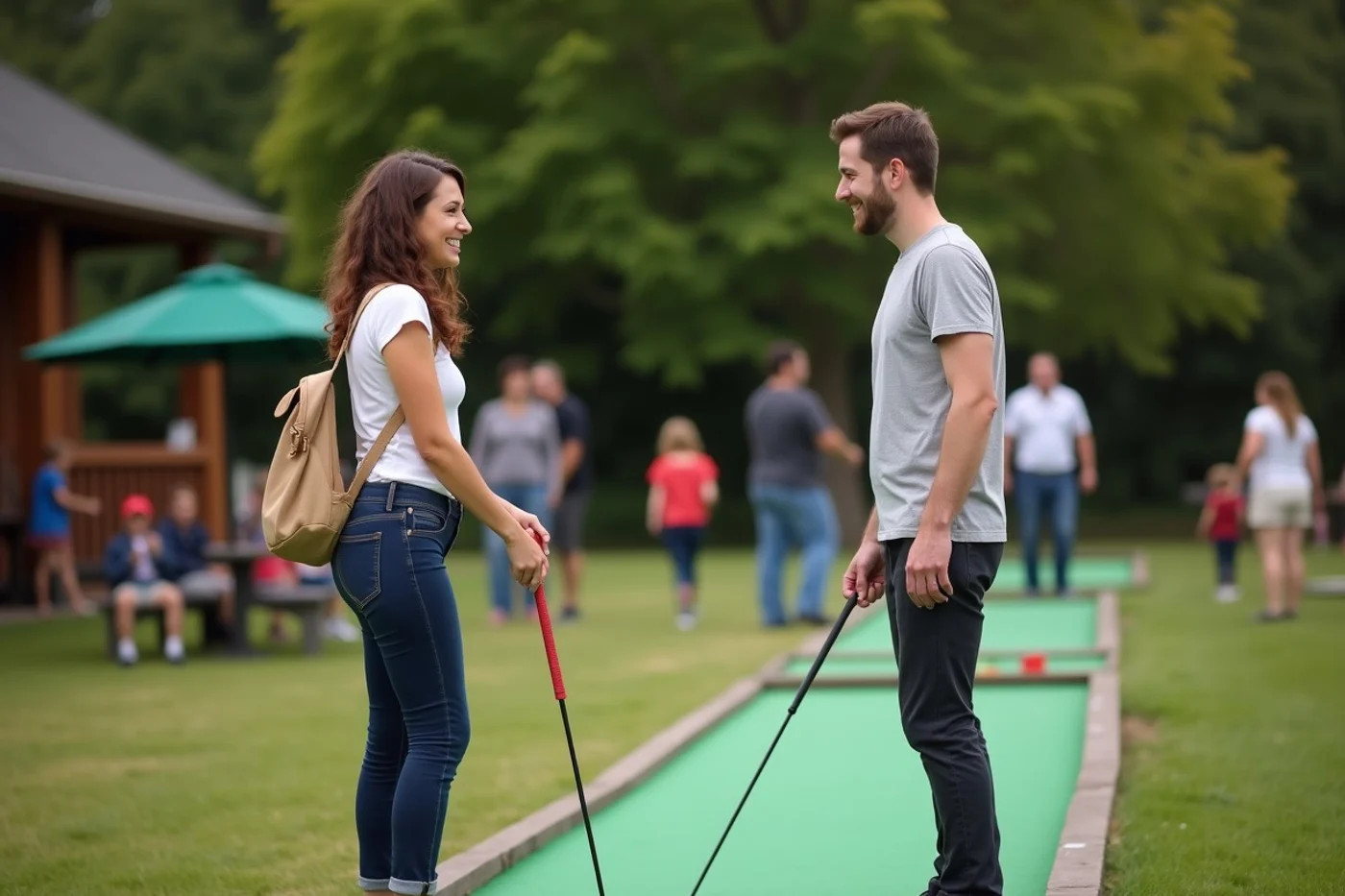
The Victoria dating scene rewards a practical, community-minded approach. Adults can meet compatible people through recurring recreation groups, arts activities, volunteering, classes, and interest-based clubs, then build familiarity through regular attendance rather than treating every gathering as a singles event. Date planning also needs local realism: check travel time across Greater Victoria, transit or cycling options, weather, and whether a regional visit or overnight stay has been discussed. Low-pressure outdoor plans work well when comfort and an indoor backup are part of the invitation.
Activity Communities Offer Natural Ways to Meet People in Victoria
Victoria’s social options can be easier to approach through a shared activity than through a formal singles setting. Recreation groups, arts organizations, volunteer projects, classes, and interest-based clubs create a clear reason to be there beyond dating.
Consider a beginner-friendly class, a community choir, a book or language group, a recreational sport, or a volunteer activity connected to a cause you genuinely support. Each setting attracts different interests and conversation styles, so choose one that fits your routine and comfort level.
Treat the activity as its own community, not as a room full of potential partners. Participate respectfully, notice whether conversation is welcome, and let personal connections develop without assuming romantic interest.
Recurring Events Make Familiarity Easier to Build Over Time
Recurring gatherings can support a more natural dating rhythm in Victoria because people have a chance to recognize one another across several meetings. That familiarity should develop from genuine participation, not from treating the event as an informal singles night.
Use the following approach to keep interest respectful and the community comfortable.
- Choose an event you would attend even without meeting a partner. A weekly class, volunteer shift, discussion group, or recreational activity gives you a legitimate reason to return and reduces pressure on each interaction.
- Attend consistently enough to become a familiar participant. Learn names, contribute to the activity, and speak with different people rather than focusing immediately on one person who seems attractive.
- Start with the shared setting. Ask how someone found the group, comment on the current activity, or invite their view on a discussion topic. Pay attention to whether they continue the conversation or offer only brief replies.
- After several positive exchanges, suggest a simple meeting outside the event, such as coffee or a walk. Make the invitation easy to decline and avoid asking while the person is responsible for leading, volunteering, or participating.
- Treat the gathering as a community first. A declined invitation, limited interest, or a request for space should end the pursuit without creating awkwardness at future meetings.
Transportation Across Greater Victoria Should Be Part of the Invitation

- Check the full door-to-door travel time, not just the distance between neighbourhoods. An invitation that looks nearby on a map may involve transfers, limited evening service, or a long return journey.
- Confirm transit details before settling on a meeting time. Share the nearest stop or station, allow room for delays, and avoid assuming the other person has a car.
- Cycling access can shape the plan. Ask whether the route, bicycle parking, and arrival point work for both people, particularly when one person is carrying work items or travelling after dark.
- Treat parking as something to verify rather than promise. Check likely restrictions, walking distance from legal parking, and whether the location remains practical at the chosen time.
- Discuss accessibility without making the other person justify a need. Confirm step-free entry, usable washrooms, seating, and the distance between the arrival point and the meeting place.
- Build weather into the logistics. Rain, wind, cold, or reduced daylight can affect walking, cycling, transit connections, and comfort. Mention what will happen if conditions disrupt the planned route, rather than leaving the decision until departure.
Clarify the Role of Regional Travel Before It Becomes Routine
A connection can feel local at first, then begin to involve ferry crossings, flights, or long drives to another part of Vancouver Island or the mainland. Before either person starts routinely absorbing that effort, talk plainly about what visiting looks like: who can travel, how often feels realistic, and how much time each visit takes beyond the date itself.
Avoid letting one person become the automatic traveller because they have a car, more flexible work, or a place to host. Alternating visits may be fair, but equal effort can also mean recognizing different budgets, caregiving duties, energy levels, and border-related planning for a partner in the United States.
An overnight visit deserves its own conversation. Confirm the sleeping arrangement, privacy, departure expectations, and whether either person is assuming more intimacy or commitment than has been discussed. For cross-border visits, check current entry requirements with the relevant official authority before finalizing plans.
Outdoor Dates Work Best When Comfort and Alternatives Are Built In
Outdoor dates in Victoria work well early in a connection when they are public, reasonably short, and easy to end without awkwardness. Choose the format around mobility, daylight, weather tolerance, and how much conversation you both expect.
Confirm that the route or site has public access, identify an indoor fallback nearby, and agree on the expected duration before meeting. A backup might be a public indoor space or a simple change of plan rather than an unspoken invitation to extend the date.
| Option | Advantages | Tradeoffs | Best When |
|---|---|---|---|
| Flat walk for 45–60 minutes | Low cost, conversational, and adaptable for different fitness levels or mobility needs. | Wind, rain, limited daylight, or an uneven surface can reduce comfort. | Both people want a brief first meeting and the route has a clear indoor alternative. |
| Short scenic stop with a defined end time | Creates a simple structure and avoids committing to a full afternoon. | The setting may offer little shelter or privacy if conditions change. | You can verify access, daylight, seating, and a nearby backup before inviting someone. |
| Casual outdoor activity | A shared task reduces pressure to maintain constant conversation. | Equipment, ability, weather, or unfamiliar rules may make participation uncomfortable. | You have already discussed comfort, mobility, duration, and whether watching is an acceptable alternative. |
| Bring-your-own picnic | Flexible timing and a relaxed setting allow the date to remain short or continue naturally. | Food, seating, temperature, and rain create more variables than a walk. | There is a sheltered backup and neither person assumes the picnic implies a longer or private visit. |
For a first invitation, choose one recurring community activity or a short public outdoor plan that fits both schedules. Confirm where you will meet, how each person will travel, how long the date will last, and what happens if weather changes. Once distance becomes regular, discuss who travels and how often before planning overnight visits.